

15 Collagen-Boosting Foods That Make You Look Younger
Feeling like your skin’s lost its glow? Rebuild it from within with collagen-boosting foods that make you look younger. Collagen is the protein that keeps skin tight and lifted, yet it fades over time without the right nutrients.
Ultimately, here, you’ll discover which collagen-boosting foods work and how to use them daily for visible results. It’s part of our Foods That Make You Look Younger series — your step-by-step guide to glowing, youthful skin through smart nutrition.
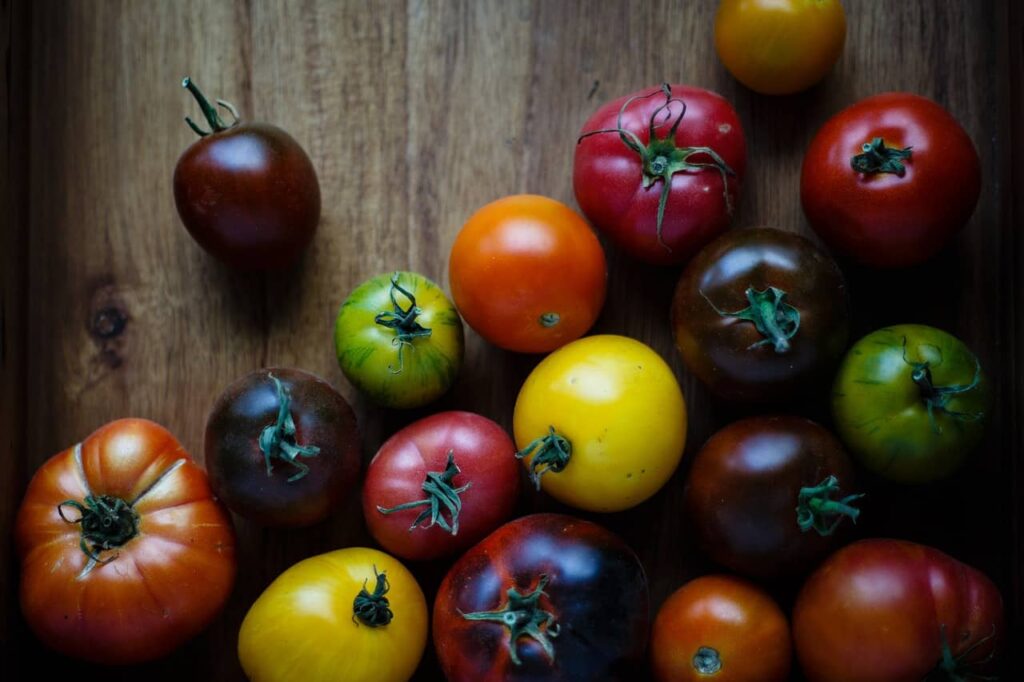
Benefits of Boosting Collagen Through Food
- Strengthens the skin barrier against dryness and damage
- Helps skin stay firm, plump, and elastic
- Reduces the look of fine lines and wrinkles
- Improves hydration and smooth texture
- Supports healthy hair and nails
- Promotes faster skin repair and healing
What Is Collagen and Why Does It Matter for Skin
Collagen is the main structural protein in your body. Think of it as the glue that keeps everything together — especially your skin. It gives skin its firmness, smoothness, and bounce everyone wants.
As we age, our bodies produce less collagen. Sun exposure, stress, and poor diet speed up the breakdown even more. That’s why wrinkles form, skin starts to sag, and the texture feels thinner over time.
When collagen levels drop, the skin loses its strength and elasticity. But the good news is that your body can rebuild it — if you give it the right nutrients. That’s where collagen-boosting foods that make you look younger come in.
These foods supply the amino acids, vitamins, and antioxidants needed to help your body create new collagen fibers naturally. The result? Firmer skin, fewer fine lines, and a healthy glow that lasts longer.
1/3 Protein-Rich Foods (Provide Amino Acids for Collagen)
1. Bone Broth – One of the Best Collagen-Boosting Foods That Makes You Look Young
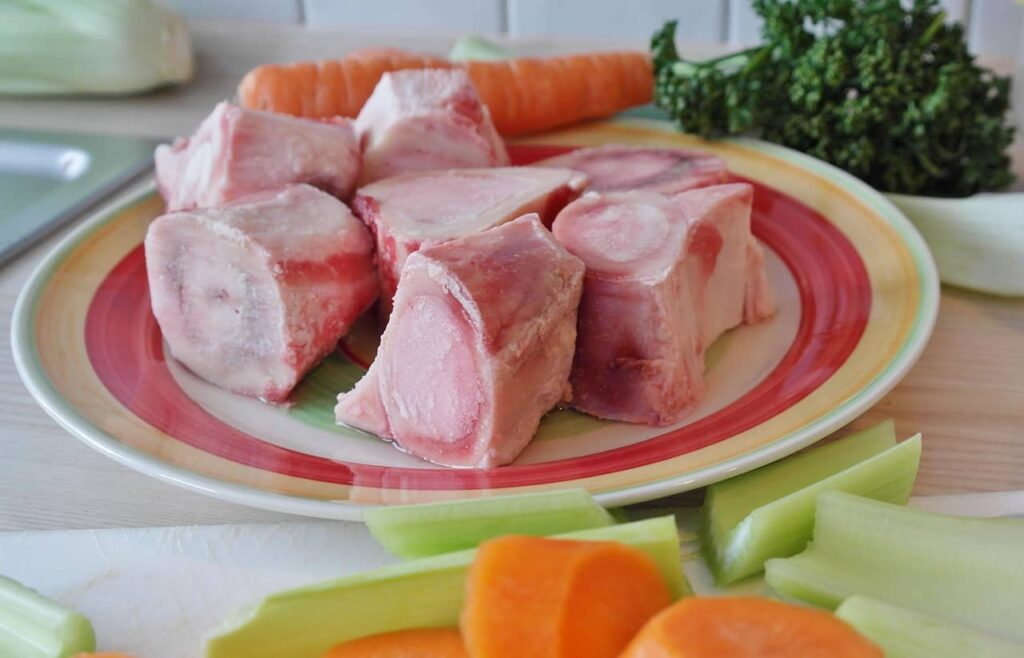
In general, bone broth is one of the best natural sources of collagen. It’s also simple to make and full of skin-loving nutrients that help support a firm, youthful glow.
How to Prepare It
- Choose bones from chicken, beef, or fish.
- Place them in a large pot and cover with water.
- Add onions, carrots, garlic, and a splash of apple-cider vinegar — this helps draw out collagen and minerals.
- Bring to a boil, then reduce to a low simmer.
- Let it cook slowly for 10 to 12 hours (the longer, the richer).
- Strain the broth and store it in the fridge.
- Warm a cup daily or use it as a soup or stew base.
Benefits and Nutrients
Bone broth is packed with collagen, gelatin, and amino acids like glycine and proline. These nutrients strengthen your skin’s structure, keeping it firm and elastic. It also delivers minerals such as calcium, magnesium, and phosphorus — all vital for glowing, healthy skin.
How It Helps Your Skin
Regularly drinking bone broth supports natural collagen production and skin repair. It keeps your skin hydrated from within and helps soften fine lines over time.
How to Eat It
To start, sip it warm on its own, or mix it into soups, sauces, or even smoothies. Alternatively, you can cook grains like rice or quinoa in it to easily add a natural collagen boost to your meals.
2. Chicken Skin & Cartilage

In fact, chicken skin and cartilage are often underrated sources of collagen. They’re also loaded with the same structural proteins that help your skin stay firm, plump, and elastic.
How to Prepare It
- Choose skin-on chicken parts such as thighs, drumsticks, or wings.
- Bake, roast, or slow-cook them instead of frying — this helps preserve nutrients.
- You can also boil chicken with the bones and skin to make a light, collagen-rich broth.
- For cartilage, use chicken feet or joints — simmer them for several hours to extract the collagen.
- Keep the skin crispy but not burned — overheating destroys collagen and healthy fats.
Benefits and Nutrients
In addition, chicken skin and cartilage provide type II collagen, which supports skin elasticity and joint health. Moreover, they’re rich in glycine, proline, and chondroitin sulfate — nutrients that promote smooth, youthful-looking skin and help retain moisture.
How It Helps Your Skin
Eating chicken skin or broth made with cartilage helps your body build new collagen fibers. This supports firmer skin, smoother texture, and a natural glow. The amino acids also aid in skin healing and reduce dryness.
How to Eat It
To start, enjoy oven-roasted chicken with skin for a crisp, flavorful meal. Alternatively, use boiled chicken with cartilage in soups, stews, or homemade ramen. Additionally, you can mix shredded chicken with vegetables for a protein-rich, collagen-supporting lunch that’s both filling and nourishing.
3. Egg Whites – Simple and Effective Collagen-Boosting Foods That Make You Look Young

To begin with, egg whites are a simple but powerful way to support collagen naturally. They’re also full of amino acids that your body needs to rebuild firm, smooth, and healthy skin.
How to Prepare It
- Crack the egg and separate the white from the yolk.
- Use the whites to make omelets, scrambled eggs, or protein pancakes.
- You can also add them to smoothies for extra protein.
- If you prefer convenience, try pasteurized liquid egg whites — safe to eat without cooking.
Benefits and Nutrients
Egg whites are rich in proline, glycine, and lysine — key amino acids used in collagen production. They also contain albumin, a protein that supports tissue repair and firmness. Together, these nutrients help your skin stay strong, supple, and youthful.
How It Helps Your Skin
Eating egg whites regularly gives your body the raw materials to create new collagen fibers. This helps reduce fine lines, keeps the skin tight, and improves overall texture. They’re also low in fat and calories, making them perfect for daily use.
How to Eat It
Enjoy boiled or scrambled egg whites for breakfast, or mix them into smoothies for a quick protein boost. You can even whisk egg whites into soups or stir-fries to increase protein and collagen support without changing flavor.
4. Fish (especially Salmon)
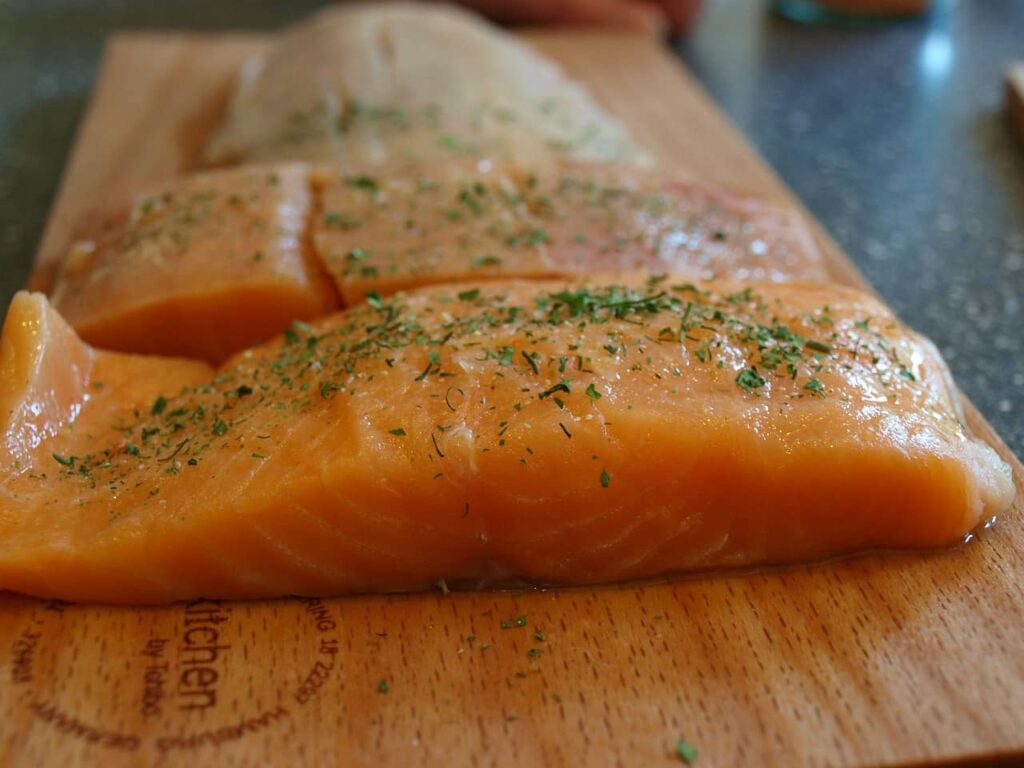
In general, fish — especially salmon — is one of the best foods for youthful, glowing skin. It’s also rich in protein and omega-3 fats that work together to protect and strengthen collagen fibers.
How to Prepare It
- Choose fresh or wild-caught salmon when possible for higher nutrient quality.
- Bake, grill, or steam it — these methods keep the healthy fats intact.
- Avoid deep-frying, as it damages omega-3s and reduces collagen-supporting power.
- Add a squeeze of lemon juice or herbs for extra flavor and vitamin C support.
- You can also use canned salmon (with skin) for a quick, affordable option.
Benefits and Nutrients
Salmon provides amino acids your body uses to make collagen. It’s also high in omega-3 fatty acids, which keep skin soft, hydrated, and elastic. The zinc and selenium in fish further protect collagen from free-radical damage and UV exposure.
How It Helps Your Skin
Specifically, omega-3 fats strengthen your skin’s natural barrier and help reduce inflammation. When combined with collagen-building protein, they work together to keep your skin smooth, firm, and radiant. Over time, regular salmon intake may also help prevent fine lines caused by dryness and sun stress.
How to Eat It
To begin with, enjoy grilled salmon with vegetables, mix it into salads, or use it in wraps and sandwiches. Alternatively, you can add flaked salmon to omelets or rice bowls for a quick, collagen-supporting meal that’s both nourishing and delicious.
5. Lean Beef – Iron and Amino Acid Collagen-Boosting Foods That Make You Look Young
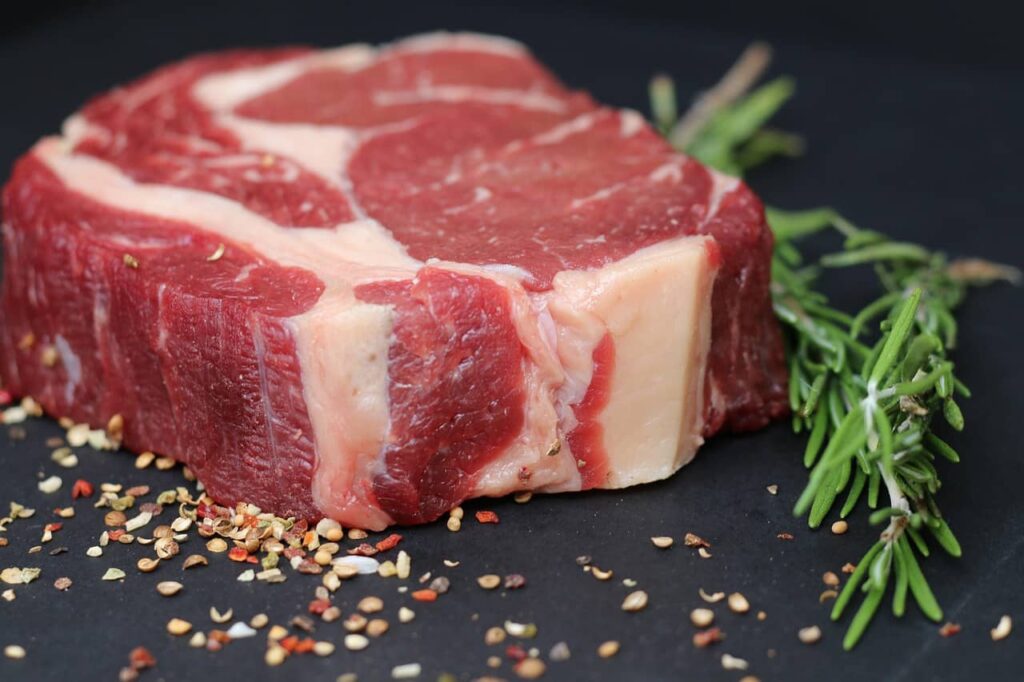
In fact, lean beef is another excellent collagen-supporting food. It’s also loaded with protein, amino acids, and minerals that work together to help your body rebuild strong, firm, and healthy skin.
How to Prepare It
- Choose lean cuts like sirloin, round steak, or tenderloin.
- Grill, pan-sear, or bake instead of frying to keep the nutrients intact.
- Add herbs, garlic, or olive oil for flavor without extra fat.
- For a softer texture, marinate the beef for a few hours before cooking.
- Avoid overcooking — it can make the meat tough and reduce its amino acid content.
Benefits and Nutrients
Lean beef provides glycine, proline, and hydroxyproline — three key amino acids your body uses to form collagen. It’s also rich in zinc and iron, which support healthy blood flow and skin repair. These nutrients help maintain elasticity and prevent the tired, dull look that comes with collagen loss.
How It Helps Your Skin
Consistently, eating lean beef supports your body’s natural collagen production. As a result, it helps firm the skin, improves circulation, and gives your complexion a healthy tone. Furthermore, the iron keeps your skin cells oxygenated, while zinc aids in healing and rebuilding tissues for a stronger, smoother appearance.
How to Eat It
Enjoy lean beef in stir-fries, salads, or grain bowls. You can also pair it with vitamin C–rich foods like bell peppers or tomatoes — this combo helps your body produce even more collagen naturally.
2/3 Vitamin C–Rich Foods (Trigger Collagen Production)
6. Citrus Fruits (Oranges, Lemons, Grapefruits)
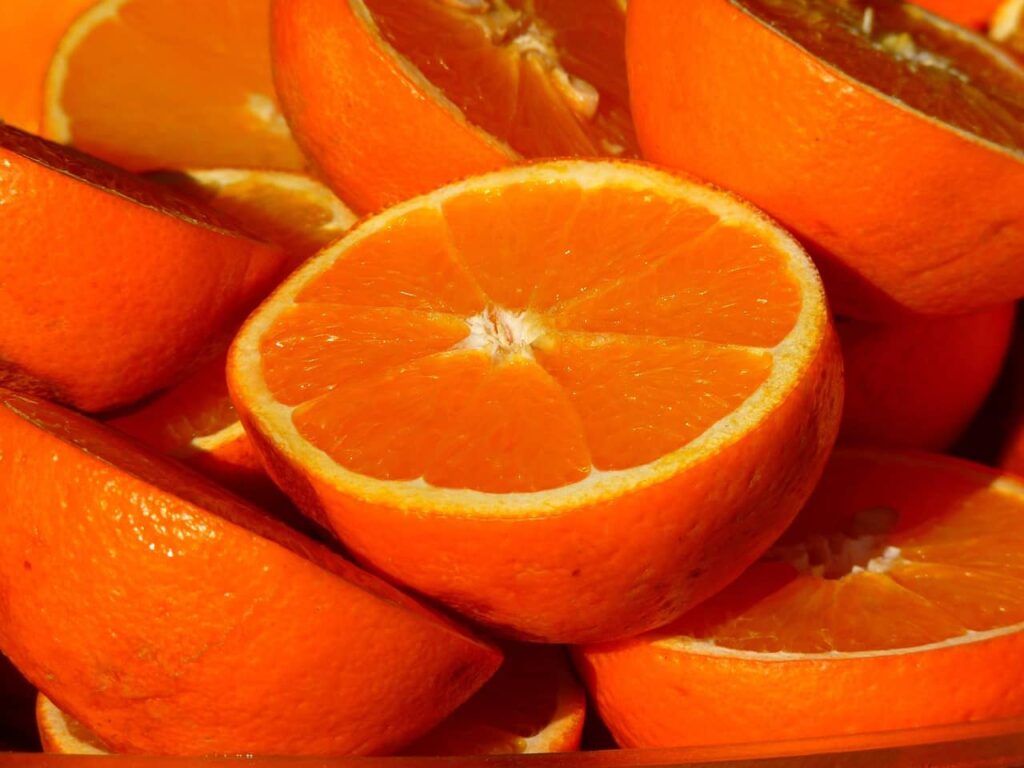
Without a doubt, citrus fruits are some of the best foods for boosting collagen naturally. They’re also full of vitamin C — a key nutrient your body needs to create collagen and keep your skin bright, firm, and youthful.
How to Prepare It
- Enjoy fresh orange or grapefruit slices as a snack or breakfast side.
- Squeeze lemon juice into water, tea, or salads for a refreshing vitamin C boost.
- Blend citrus fruits into smoothies or juices for quick absorption.
- Use grated orange or lemon zest in baked goods, yogurt, or oatmeal for extra flavor and antioxidants.
Benefits and Nutrients
Citrus fruits provide a powerful dose of vitamin C, which in turn helps your body turn amino acids into collagen. In addition, they’re rich in antioxidants and flavonoids that work together to protect existing collagen from damage caused by stress, pollution, and sun exposure. That’s why citrus fruits are among the best collagen-boosting foods that make you look young, keeping your skin bright, firm, and healthy.
How It Helps Your Skin
Vitamin C strengthens skin structure and improves elasticity. It also brightens dull complexions by helping your body shed old skin cells faster. Regular citrus intake can lead to smoother, firmer, and more radiant skin over time.
How to Eat It
To start your day, drink a glass of fresh orange juice in the morning, add lemon slices to your water, or toss grapefruit pieces into salads. Moreover, pairing citrus with protein-rich foods — like yogurt or eggs — helps your body better use the vitamin C to make more collagen.
7. Berries (Strawberries, Blueberries, Blackberries) – Antioxidant-Rich Collagen-Boosting Foods That Make You Look Young
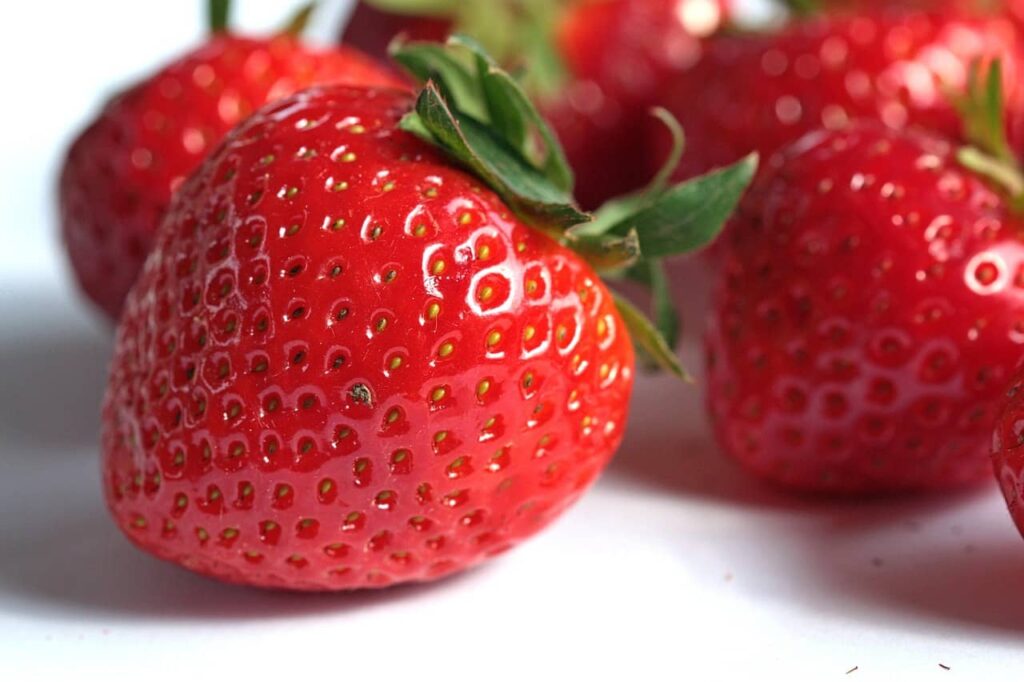
In general, berries are small but powerful when it comes to skin health. They’re also loaded with antioxidants that protect your collagen while keeping your skin firm, smooth, and glowing.
How to Prepare It
- Enjoy a bowl of mixed berries for breakfast or as a snack.
- Add them to smoothies, yogurt, or oatmeal for a natural sweetness.
- Use them as toppings for pancakes, chia pudding, or healthy desserts.
- For convenience, keep frozen berries on hand — they’re just as nutritious.
Benefits and Nutrients
Berries are rich in vitamin C, polyphenols, and anthocyanins — compounds that boost collagen production and fight skin-aging free radicals. These antioxidants protect existing collagen fibers from UV damage and stress. They also help improve circulation, giving your skin a natural, healthy glow.
How It Helps Your Skin
The nutrients in berries support collagen formation and protect it from breaking down. They keep your skin smooth, elastic, and more resistant to wrinkles. Over time, regular berry intake helps your skin look brighter and more youthful.
How to Eat It
Mix strawberries, blueberries, and blackberries into your morning smoothie, or sprinkle them over salads for a sweet, skin-boosting twist. You can also blend them with a bit of honey and lemon juice for a refreshing collagen-protecting drink.
8. Kiwi
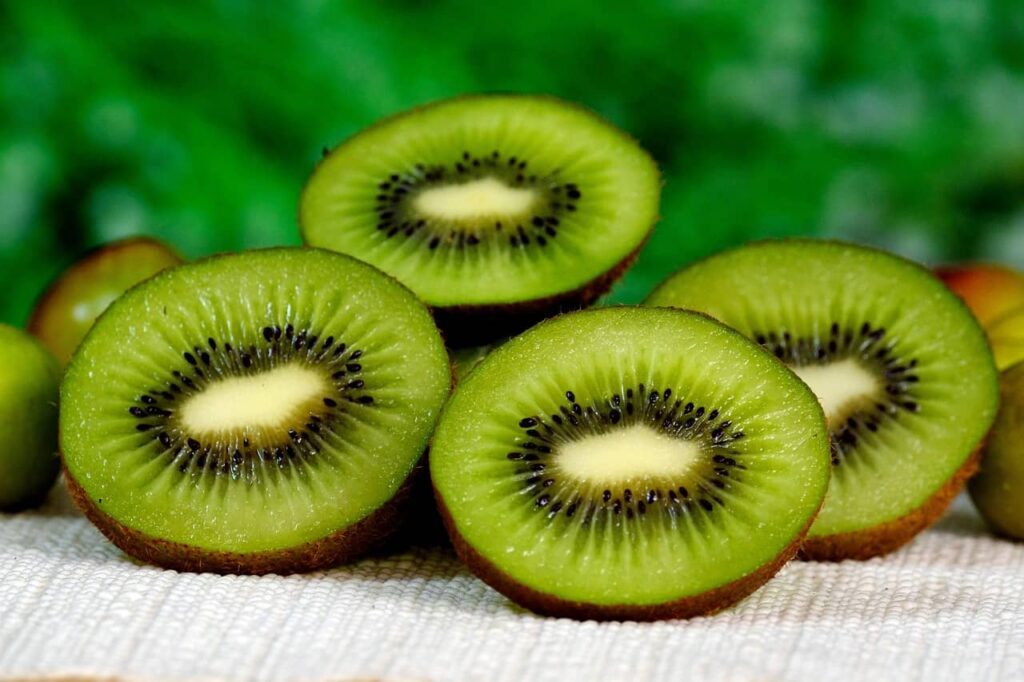
Moreover, this vibrant fruit is loaded with vitamin C, antioxidants, and enzymes that help your skin stay firm and glowing.
How to Prepare It
- Peel and slice fresh kiwi for a quick snack or breakfast topping.
- Add it to smoothies or fruit salads for a sweet-tart flavor.
- Mix kiwi slices into yogurt or overnight oats for extra freshness.
- For a tropical twist, pair it with pineapple, mango, or mint.
Benefits and Nutrients
Kiwi delivers more vitamin C than oranges, making it a top food for collagen production. It also contains vitamin E, polyphenols, and a natural enzyme called actinidin, which helps the body absorb proteins that form collagen. These nutrients work together to protect skin cells and support repair.
How It Helps Your Skin
Eating kiwi regularly strengthens collagen fibers and improves skin elasticity. The antioxidants protect against sun and pollution damage, while vitamin C helps your skin look fresh, bright, and smooth.
How to Eat It
Enjoy one kiwi daily as a snack, or blend it into a green smoothie with spinach and lemon for an extra collagen kick. You can also top salads or yogurt bowls with kiwi for a juicy, skin-loving boost.
9. Papaya – Enzyme-Rich Collagen-Boosting Food That Makes You Look Young
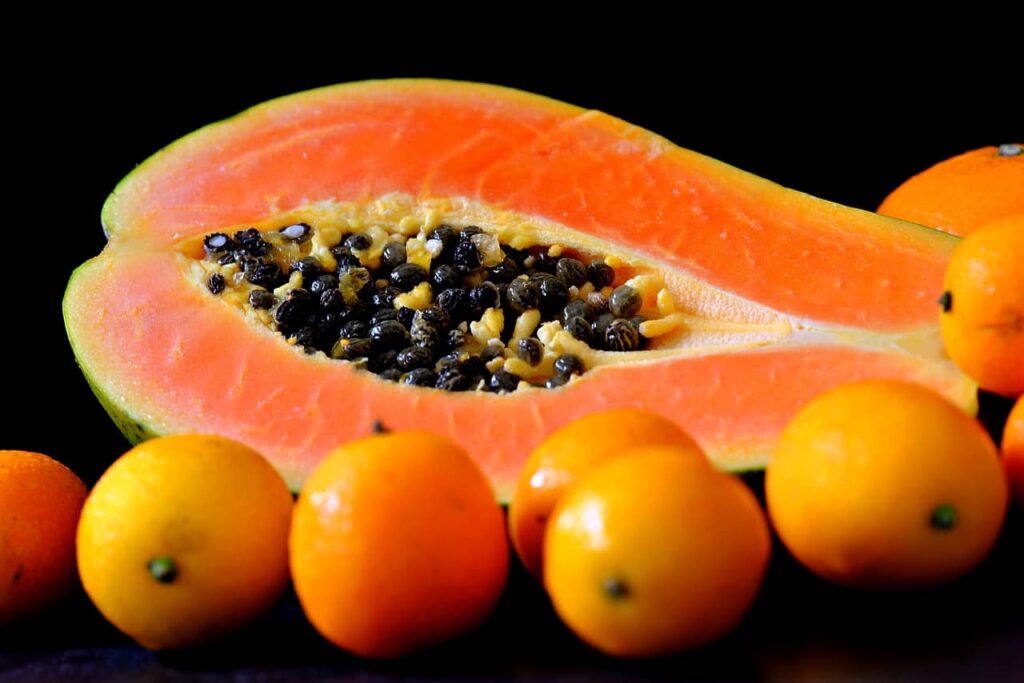
This fruit is a tropical favorite that does wonders for your skin. It’s rich in vitamin C, enzymes, and antioxidants that naturally boost collagen and promote a healthy glow.
How to Prepare It
- Slice a ripe papaya and enjoy it fresh as a snack or dessert.
- Blend it into smoothies with yogurt or orange juice for a creamy, refreshing drink.
- Add diced papaya to fruit salads or breakfast bowls for color and sweetness.
- You can even use mashed papaya as a face mask for gentle exfoliation.
Benefits and Nutrients
Papaya is packed with vitamin C and vitamin A, both essential for skin renewal. It also contains papain, a natural enzyme that helps remove dead skin cells and supports collagen production. These nutrients work together to keep your skin smooth, firm, and even-toned.
How It Helps Your Skin
The antioxidants in papaya fight free radicals that break down collagen. Meanwhile, papain and vitamin C help your skin stay clear, soft, and radiant. Regular papaya intake can also reduce dullness and improve overall skin texture.
How to Eat It
Enjoy fresh papaya slices in the morning or after meals. You can also mix it with kiwi or berries for a powerful, collagen-boosting fruit combo. Add it to smoothies, parfaits, or chia puddings to make your daily skincare delicious.
10. Bell Peppers (Red or Yellow)
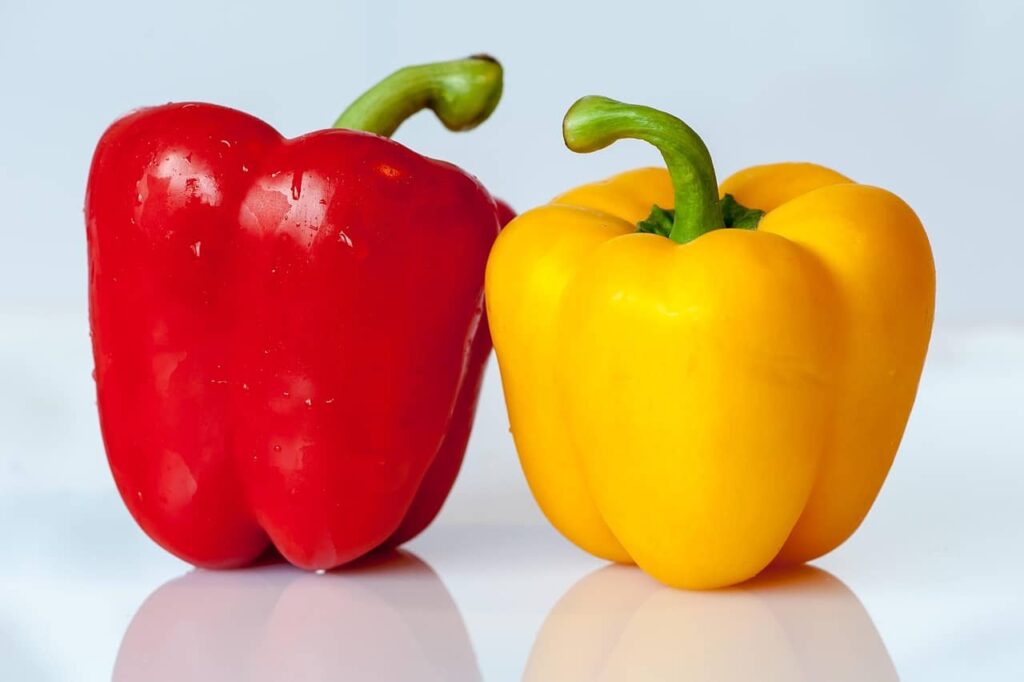
In fact, bell peppers — especially the red and yellow ones — are loaded with nutrients that help your skin stay firm and youthful. Furthermore, they’re one of the richest sources of vitamin C — even more than oranges — making them a top food for collagen support.
How to Prepare It
- Slice raw bell peppers for a crunchy snack or salad topping.
- Roast or grill them to bring out their natural sweetness.
- Add them to stir-fries, omelets, or wraps for a colorful boost.
- Blend roasted bell peppers into soups or sauces for extra flavor and nutrients.
Benefits and Nutrients
Bell peppers are full of vitamin C, which helps your body produce collagen and repair damaged skin. They also contain beta-carotene and antioxidants that protect your skin from UV and environmental stress. The vibrant color comes from carotenoids, which fight oxidative damage and slow down visible aging.
How It Helps Your Skin
Consistently, eating red or yellow peppers improves collagen strength and keeps your skin firm and hydrated. Additionally, the antioxidants help reduce inflammation and promote a more even skin tone. As a result, over time, your complexion looks smoother, brighter, and naturally more radiant.
How to Eat It
To begin with, add chopped bell peppers to salads, sandwiches, or tacos for a fresh crunch. Alternatively, you can roast them in the oven with olive oil and herbs for a side dish that’s both tasty and collagen-friendly.
3/3 Mineral & Plant-Based Collagen Supporters
11. Nuts & Seeds (Pumpkin, Chia, Flax) – Mineral-Rich Collagen-Boosting Foods That Make You Look Young
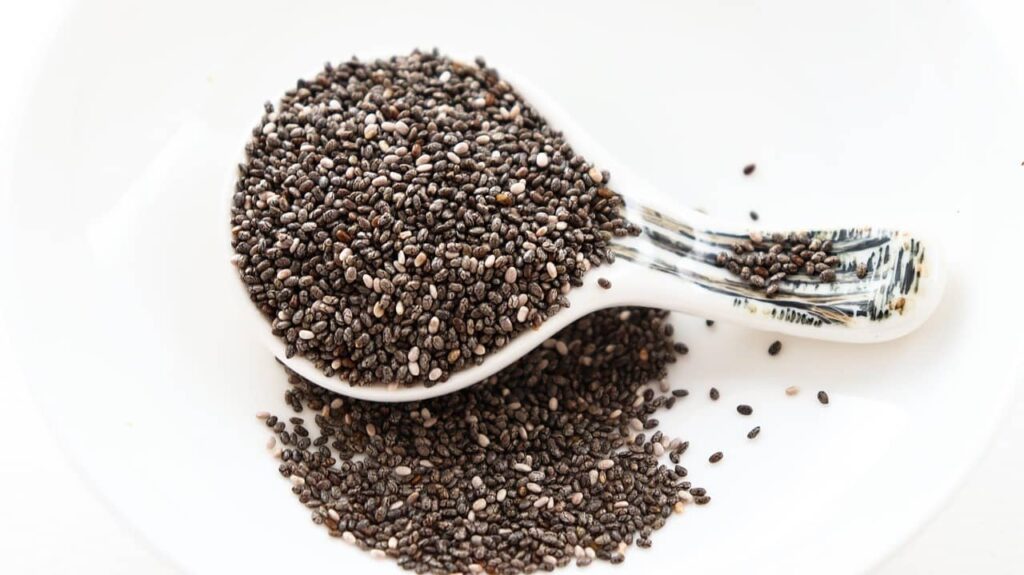
In general, nuts and seeds are small but mighty when it comes to skin health. They’re also full of healthy fats, minerals, and antioxidants that protect your collagen while supporting smooth, youthful-looking skin.
How to Prepare It
- Sprinkle chia or flax seeds over oatmeal, yogurt, or salads.
- Add pumpkin seeds to smoothies, trail mix, or roasted veggie dishes.
- Mix nuts and seeds into homemade granola or energy balls for a skin-boosting snack.
- Store them in airtight containers to keep their oils fresh and nutritious.
Benefits and Nutrients
Pumpkin, chia, and flax seeds provide zinc, omega-3 fatty acids, and vitamin E — all vital for collagen formation and skin protection. Specifically, zinc helps repair tissues and strengthen collagen fibers, while omega-3s keep your skin hydrated and reduce inflammation. Meanwhile, vitamin E guards your skin against oxidative stress that breaks down collagen and accelerates aging.
How It Helps Your Skin
The nutrients in nuts and seeds help maintain collagen structure and elasticity. Moreover, they boost skin moisture and give your complexion a soft, radiant look. Over time, eating them regularly supports long-term skin firmness and helps reduce visible signs of aging.
How to Eat It
To start, add a spoonful of seeds to smoothies, sprinkle them over avocado toast, or snack on a handful of mixed nuts daily. Alternatively, you can blend chia seeds with milk or yogurt overnight for a delicious, collagen-supporting breakfast pudding.
12. Beans & Lentils
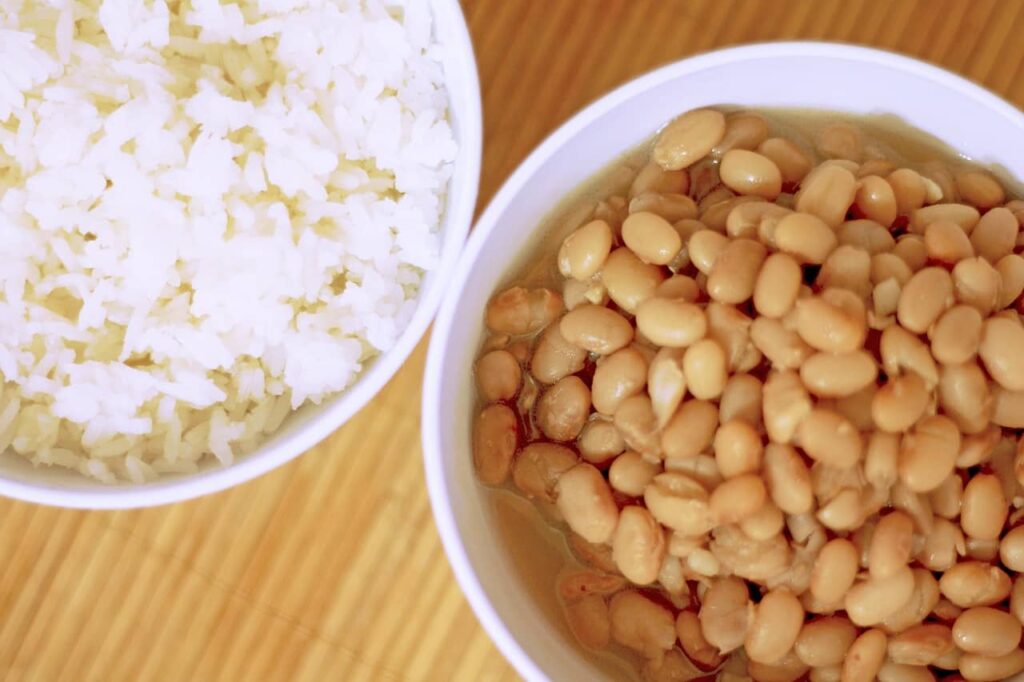
To begin with, beans and lentils are excellent plant-based foods for boosting collagen. They’re also rich in protein, minerals, and amino acids that work together to keep your skin firm, smooth, and youthful..
How to Prepare It
- Boil or pressure-cook beans and lentils until soft.
- Use them in soups, stews, or salads for a filling meal.
- Blend cooked lentils into dips or spreads for a creamy texture.
- Combine them with rice, quinoa, or veggies for a balanced, protein-packed dish.
Benefits and Nutrients
Beans and lentils provide plant protein, copper, and zinc — all essential for collagen production. Specifically, copper helps form collagen fibers, while zinc aids in cell repair and healing. In addition, they contain polyphenols, which protect existing collagen from damage and help maintain healthy, youthful skin.
How It Helps Your Skin
These humble foods help your body rebuild collagen naturally. The protein supports skin firmness, and the minerals help your skin stay smooth and even. Over time, they can improve texture and slow down visible aging.
How to Eat It
Add chickpeas, black beans, or lentils to salads, soups, or tacos. You can also make lentil curry or bean chili for a hearty, collagen-supporting dinner. Pair them with vitamin C-rich foods like tomatoes or peppers to boost collagen absorption.
13. Leafy Greens (Spinach, Kale) – Antioxidant Collagen-Boosting Foods That Make You Look Young.
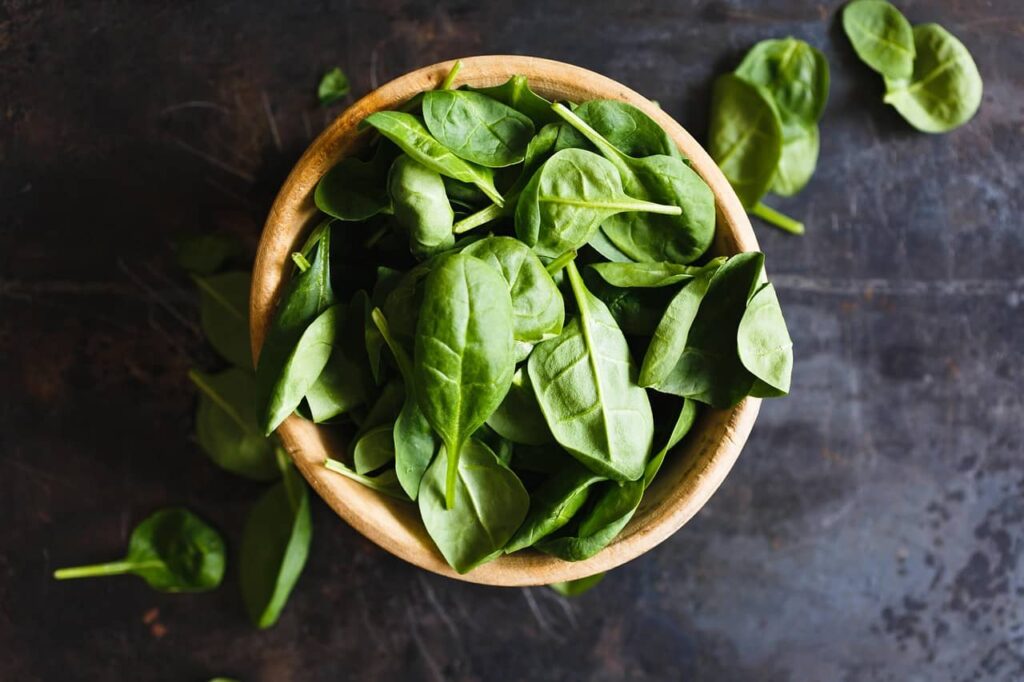
In general, leafy greens like spinach and kale are powerful collagen supporters. They’re also packed with antioxidants, vitamins, and minerals that protect your skin while keeping it soft and elastic..
How to Prepare It
- Add fresh spinach or kale to salads, wraps, or smoothies.
- Steam or sauté them lightly with olive oil and garlic for a quick side dish.
- Mix them into soups, omelets, or pasta for extra nutrients.
- Use baby spinach for a milder taste and softer texture.
Benefits and Nutrients
Leafy greens are rich in vitamin C, chlorophyll, and antioxidants that boost collagen production while also preventing damage from free radicals. Moreover, they contain vitamin A and iron, which together help renew skin cells and keep blood flowing steadily to the skin.
How It Helps Your Skin
The antioxidants in spinach and kale protect collagen fibers from breaking down. Vitamin C strengthens the skin barrier and improves elasticity. Regularly eating leafy greens helps your skin stay firm, smooth, and naturally glowing.
How to Eat It
To begin with, add a handful of spinach to your morning smoothie or toss kale into salads and grain bowls. Alternatively, you can blend leafy greens with fruit and yogurt for a simple, collagen-boosting snack that’s both refreshing and easy to enjoy every day.
14: Tomatoes – Lycopene Protection for Collagen and Smooth Skin
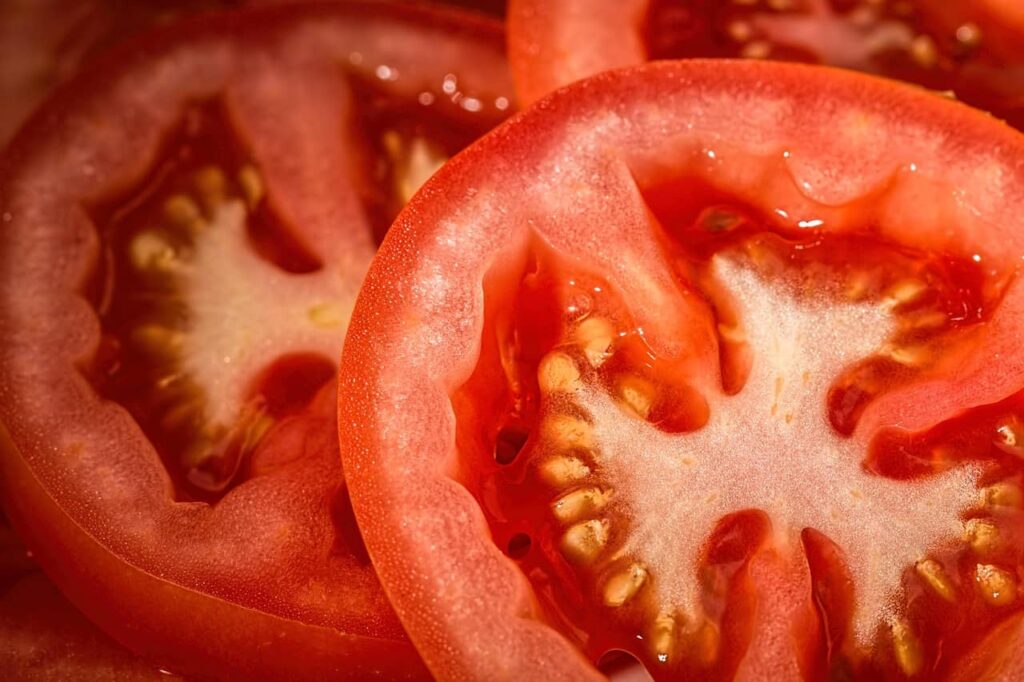
Without a doubt, tomatoes are one of the best foods for protecting your skin’s collagen. They’re also full of antioxidants that guard against sun damage and, in turn, help your skin stay firm and youthful.
How to Prepare It
- Slice fresh tomatoes for salads, sandwiches, or wraps.
- Cook them into sauces or soups to release more lycopene, the key collagen-protecting compound.
- Add them to omelets, pasta, or roasted dishes for flavor and color.
- Use cherry tomatoes as a quick, sweet snack.
Benefits and Nutrients
Tomatoes are rich in vitamin C and lycopene — a powerful antioxidant that protects collagen from UV and environmental damage. In addition, they contain beta-carotene and potassium, which together help your skin stay hydrated, smooth, and healthy.
How It Helps Your Skin
In fact, lycopene acts like an internal sunscreen, reducing collagen breakdown caused by sun exposure. When combined with vitamin C, it helps maintain elasticity and supports new collagen growth. As a result, eating tomatoes regularly gives your skin a firmer, smoother, and more radiant look.
How to Eat It
To start, enjoy fresh tomatoes daily in salads, sandwiches, or wraps. For an even stronger collagen boost, eat cooked tomato dishes — like soup, pasta sauce, or roasted tomatoes — since heat increases lycopene absorption. Finally, pair them with olive oil for even better nutrient uptake and skin benefits.
15. Garlic – Sulfur-Packed Collagen-Boosting Food That Makes You Look Young
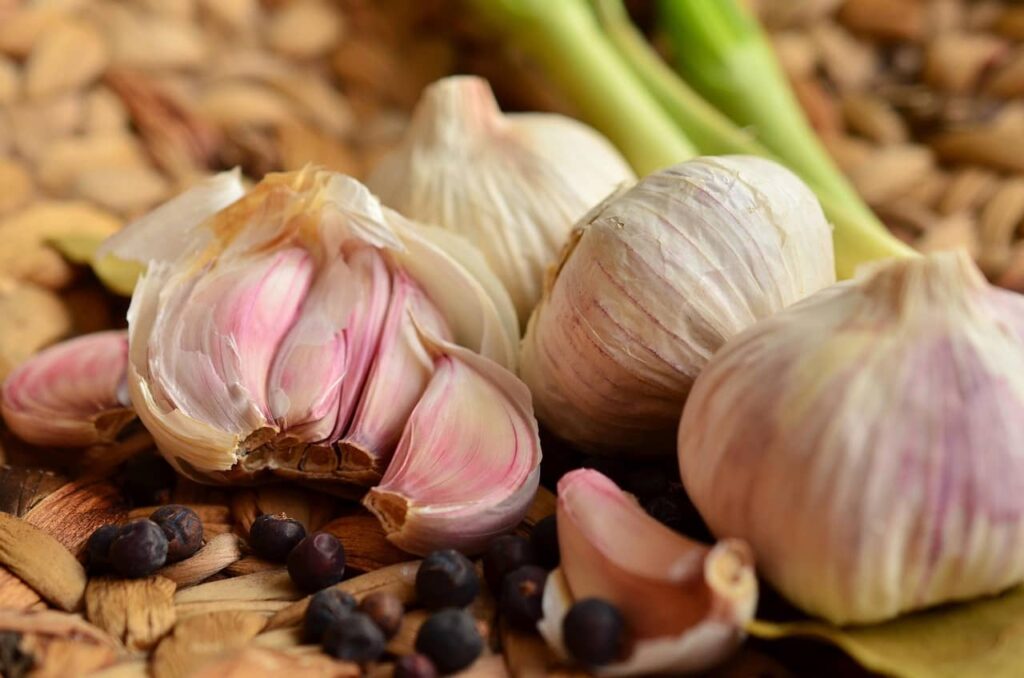
It might be small, but it’s a powerful collagen protector. It helps your body rebuild and maintain strong, healthy skin from within.
How to Prepare It
- Chop or crush fresh garlic cloves to release their active compounds.
- Add it to soups, sauces, stir-fries, or roasted vegetables for extra flavor.
- Mix minced garlic with olive oil and lemon as a healthy dressing or marinade.
- For the best results, let chopped garlic sit for a minute before cooking — this boosts its nutrient power.
Benefits and Nutrients
Garlic contains sulfur, taurine, and lipoic acid — all essential for collagen synthesis and protection. Specifically, sulfur strengthens collagen bonds, while taurine and antioxidants help repair damaged skin tissues. Together, these nutrients work to support smoother, firmer, and healthier skin.
How It Helps Your Skin
The nutrients in garlic not only promote collagen production but also help prevent its breakdown. In addition, they protect skin cells from oxidative stress and inflammation. As a result, regular garlic intake can reduce fine lines and, over time, keep your complexion strong, smooth, and vibrant.
“Research shows that certain active compounds from garlic helped restore type I procollagen levels in UV-B exposed skin and reduced wrinkle formation.” (Kim SR et al., 2013) [↗️ https://pmc.ncbi.nlm.nih.gov/articles/PMC3774756/]
How to Eat It
Use fresh garlic daily in your meals — add it to soups, pasta, or roasted dishes. You can also mix it with ginger and lemon in warm water for a gentle, collagen-supporting detox drink.
Conclusion
Healthy, youthful skin starts from the inside. When you add collagen-boosting foods that make you look young to your daily meals, you help your body rebuild the protein that keeps your skin firm, smooth, and radiant. As a result, every bite supports better texture, stronger elasticity, and a natural glow that no cream can match.
However, the real secret is consistency. To truly see results, continue nourishing your skin with collagen-boosting foods that make you look young, stay hydrated, and protect it from the sun. Over time, you’ll notice the difference — softer, plumper, and more youthful-looking skin that shines with real health.