

Best 15 Dandruff Natural Remedies That Really Work
Few things are more frustrating than brushing off your shoulders only to find those stubborn white flakes again. Dandruff isn’t just about an itchy scalp — it can be embarrassing, lower your confidence, and even make social situations uncomfortable. But luckily, you are in the right spot and the right time – I have prepared a list of the most effective dandruff natural remedies.
Most people turn to anti-dandruff shampoos, hoping for a quick fix, but often they only dry out your hair and leave the problem coming back again. The good news is you don’t need to rely on harsh chemicals or expensive treatments.
In this article, we’ll share the best dandruff natural remedies that really work.
These natural and easy solutions will help soothe your scalp, reduce flakes, and give you the healthy, flake-free hair you’ve been looking for.

Before we jump into the best natural remedies, it’s important to clear up some common misunderstandings about dandruff. A lot of people struggle with it for years simply because they believe the wrong things about what causes it and how it should be treated. Let’s take a quick look at a few myths that might be holding you back from finding real relief.
- “Dandruff only happens if you don’t wash your hair.”
While poor hygiene can make flakes more visible, it isn’t the root cause. Dandruff is usually linked to scalp issues like dryness, excess oil, or even a yeast-like fungus (Malassezia). This means you can shampoo daily and still see flakes. The solution isn’t scrubbing harder — it’s balancing your scalp health. - “Dandruff means you have a dirty scalp.”
This is one of the most persistent myths. In reality, dandruff is a skin condition, not a measure of cleanliness. Washing too often with harsh shampoos can actually make things worse by stripping away natural oils and irritating your scalp. - “Only people with dry skin get dandruff.”
Dandruff affects both dry and oily scalps. For some, dryness creates visible flakes. For others, an oily scalp becomes the perfect environment for Malassezia to grow, leading to dandruff. The right care depends on your scalp type — not the assumption that only dryness is to blame. - “Dandruff is contagious.”
You can’t “catch” dandruff from someone else. Sharing a comb, pillow, or hat with a person who has dandruff won’t give it to you. It’s a scalp imbalance, not an infection that spreads. - “Dandruff can be permanently cured.”
For most people, dandruff isn’t something you cure once and forget about. It tends to come and go depending on factors like stress, weather, or hair products. The good news? With the right home remedies and consistent care, you can keep it under control and prevent flare-ups.
Now that we’ve cleared up these common myths, let’s explore some of the most effective natural remedies you can try at home to finally take control of dandruff:
1. Yogurt + Honey Mask as a Dandruff Natural Remedies
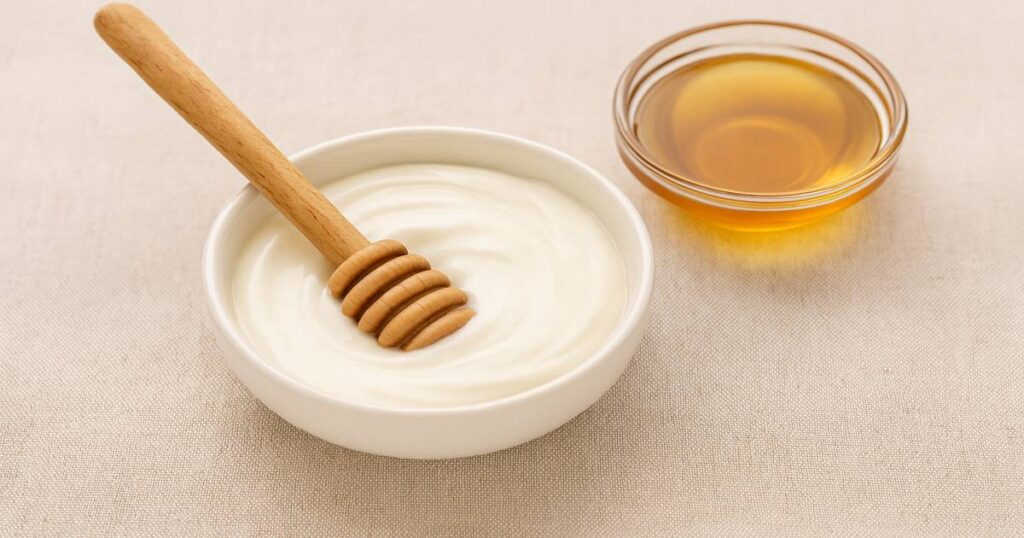
Dandruff often shows up because your scalp is too dry, leading to itchiness and white flakes. Regular shampoos might clean the hair, but they strip away natural oils, making the dryness worse. You can read here on how else you can you yogurt against dandruff.
Why Yogurt + Honey are a great dandruff natural remedy:
- Yogurt is rich in lactic acid and probiotics that gently exfoliate flakes while soothing irritation.
- Honey is a natural humectant, which means that it locks in moisture, hydrating the scalp and restoring balance.
Together, they calm dryness and help your scalp maintain its natural protective barrier.
How to Make It:
- 4 tablespoons plain unsweetened yogurt
- 2 tablespoons raw honey
Mix until smooth.
How to Apply:
- Part your hair into sections.
- Apply the mask directly to the scalp and roots using your fingers or a brush.
- Leave it on for 20–30 minutes.
- Rinse thoroughly with lukewarm water, then shampoo lightly.
Use 1–2 times per week.
2. Apple Cider Vinegar Rinse for Dandruff Control

Dead skin cells and excess oil create flakes and itchiness, often making the scalp feel tight and uncomfortable. Scratching may give you temporary relief, but it usually leads to more irritation and redness. In some cases, this even weakens the scalp barrier, making it more sensitive over time. That’s why addressing both flakes and itchiness at the same time is key.
How This Remedy Helps:
- The acidity of apple cider vinegar helps loosen and exfoliate stubborn flakes.
- It calms itchiness, reduces redness, and leaves the scalp feeling refreshed. ACV also helps improve blood circulation in the scalp, which supports overall hair health. After a few uses, many people report less irritation and a much cleaner, more breathable scalp.
How to Make & Apply:
- Combine 3 tablespoons of apple cider vinegar with 1 cup of water.
- Use as a final rinse after shampooing.
- Massage into scalp for a few minutes.
- Let it sit for 5–10 minutes, then rinse with cool water. Try this once a week at first, then adjust depending on your scalp’s sensitivity.
3. Olive Oil Scalp Massage
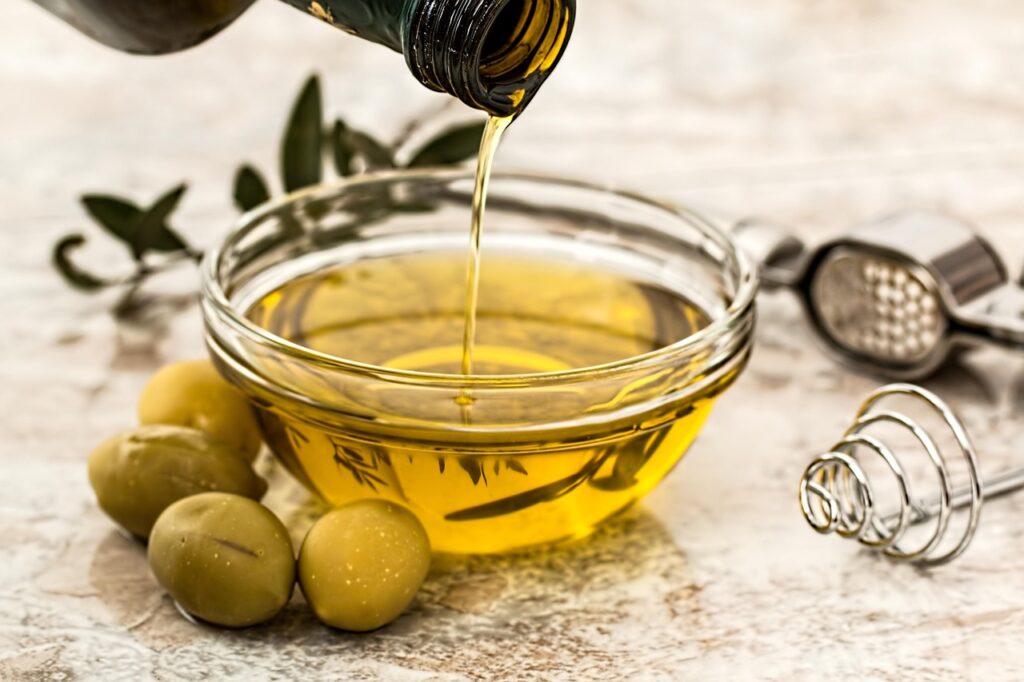
Dandruff often stems from a dry, flaky, and irritated scalp. When the scalp’s natural oils are stripped away by harsh shampoos, frequent styling, or weather changes, it becomes prone to itchiness and flaking. Olive oil provides a deep conditioning effect that helps replenish lost moisture while also soothing inflammation.
How Olive Oil Helps
Compared to the other dandruff natural remedies, olive oil is packed with antioxidants, vitamin E, and healthy fatty acids that nourish the scalp and hair. Its natural emollient properties lock in hydration, softening stubborn flakes and making them easier to wash out. Additionally, olive oil has mild antifungal properties that may help reduce the growth of yeast (Malassezia), a common trigger of dandruff.
- Moisturizes Dry Scalp – reduces flakiness and irritation.
- Loosens Flakes – makes dandruff easier to remove while shampooing.
- Nourishes Hair Follicles – promotes healthier, shinier hair growth.
- Soothes Inflammation – calms itching and redness.
How to Do an Olive Oil Scalp Massage
- Warm the oil: Pour 2–3 tablespoons of extra virgin olive oil into a small bowl and gently warm it (not hot, just slightly warm for comfort).
- Apply to scalp: Part your hair into sections and use your fingertips to apply the oil directly to your scalp.
- Massage thoroughly: Using gentle circular motions, massage the oil into your scalp for 5–10 minutes. This improves blood circulation and ensures the oil penetrates deep into the skin.
- Leave it on: Cover your head with a shower cap or towel and let the oil sit for at least 30 minutes. For deeper conditioning, leave it overnight.
- Wash out: Rinse with a mild shampoo (you may need two washes) to remove excess oil and loosen dandruff flakes.
Tip: For extra strength, you can mix olive oil with a few drops of tea tree oil or lemon juice to enhance antifungal and cleansing properties.
4. Castor Oil — Strengthen Hair and Reduce Dandruff
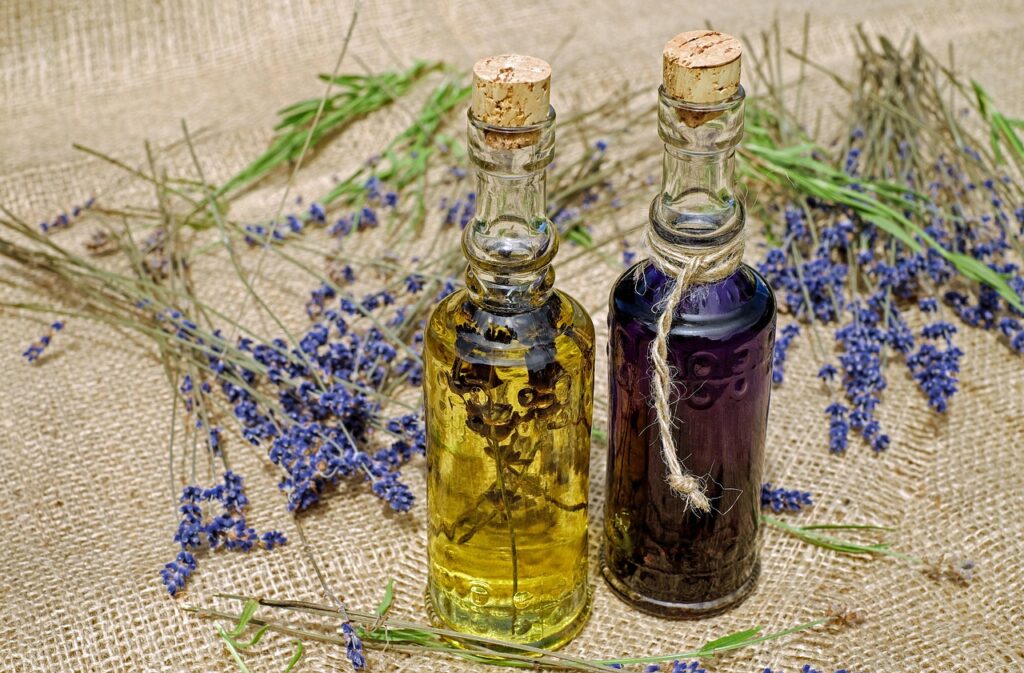
Dandruff doesn’t always come from dryness—it can also be triggered by a weak scalp barrier, fungal overgrowth, or poor circulation that leads to irritation and flaking. Castor oil stands out because it not only addresses dryness but also strengthens the scalp and fights microbes that worsen dandruff.
How Castor Oil Helps
Castor oil is a thick, nutrient-rich oil loaded with ricinoleic acid, a compound known for its antimicrobial, anti-inflammatory, and deeply moisturizing properties. Unlike lighter oils, it coats the scalp and penetrates deeply, making it especially effective against persistent dandruff.
- Antifungal & Antibacterial – helps control yeast and bacteria linked to dandruff.
- Deeply Moisturizing – hydrates a dry scalp and prevents flake formation.
- Improves Circulation – massage stimulates blood flow, nourishing hair follicles.
- Strengthens Hair Roots – reduces hair breakage and promotes healthier growth.
How to Use Castor Oil for Dandruff
- Prepare the oil: Since castor oil is thick, mix 1 tablespoon with a lighter carrier oil (like coconut or olive oil) for easier application.
- Warm slightly: Heat the blend until lukewarm (do not overheat).
- Apply to scalp: Section your hair and apply the oil mixture directly to your scalp.
- Massage gently: Using your fingertips, massage in circular motions for 5–10 minutes to boost absorption.
- Leave it on: Cover your hair with a warm towel or shower cap and leave for at least 30–45 minutes. For deeper conditioning, leave overnight.
- Rinse out: Wash with a mild or herbal shampoo. You may need two washes to remove residue.
Tip: For extra antifungal power, add 3–4 drops of tea tree oil or peppermint oil to the castor oil blend.
Castor oil works best for people with dry, itchy, or flaky scalps. If your scalp is already very oily, use it sparingly (once a week or mixed with lighter oils).
5. Onion Juice – Proven Home Remedy for Dandruff
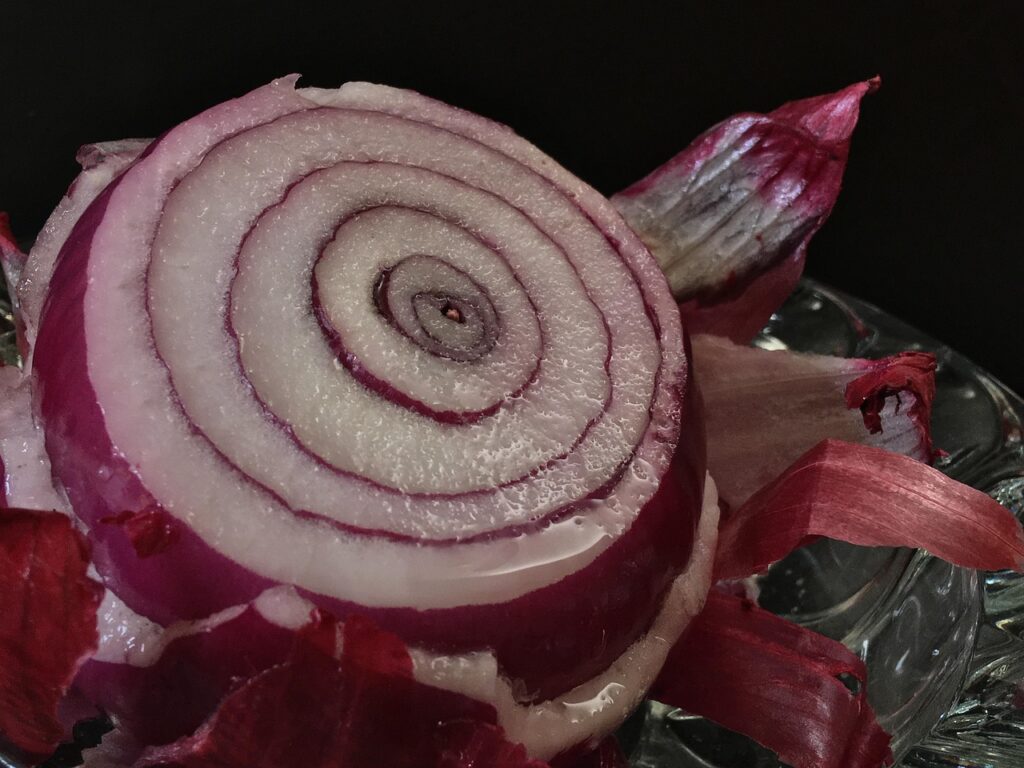
Why People Turn to Onion Juice
Onion juice might sound like an odd choice for hair care, but it’s been used for centuries as a natural scalp treatment. What makes it special is its high sulfur content, which not only supports hair growth but also helps clear away the buildup of flakes and microbes that fuel dandruff. If you’ve tried oils and rinses without much success, onion juice can be a stronger, natural alternative.
What Makes It Work
Unlike oils that mainly hydrate, onion juice works as a natural antimicrobial rinse. Its sulfur compounds and antioxidants create an environment that dandruff-causing yeast struggles to thrive in. The bonus is that it stimulates blood flow to the scalp, which can lead to thicker, stronger strands over time.
- Fights scalp fungus – discourages dandruff at the root.
- Strengthens hair shafts – thanks to its sulfur boost.
- Encourages growth – better circulation means healthier follicles.
- Cools irritation – reduces redness and itching naturally.
How to Use It
- Chop or blend 1–2 onions and strain the juice with a clean cloth.
- Apply the juice directly to your scalp using a cotton ball.
- Massage gently for a few minutes so it soaks in.
- Let it sit for 20–30 minutes, then wash off with a mild shampoo.
- Repeat once or twice a week for best results.
Extra tip: Mix onion juice with aloe vera gel for a soothing blend, or add a splash of lemon juice to reduce the strong onion smell.
6. Aloe Vera Gel
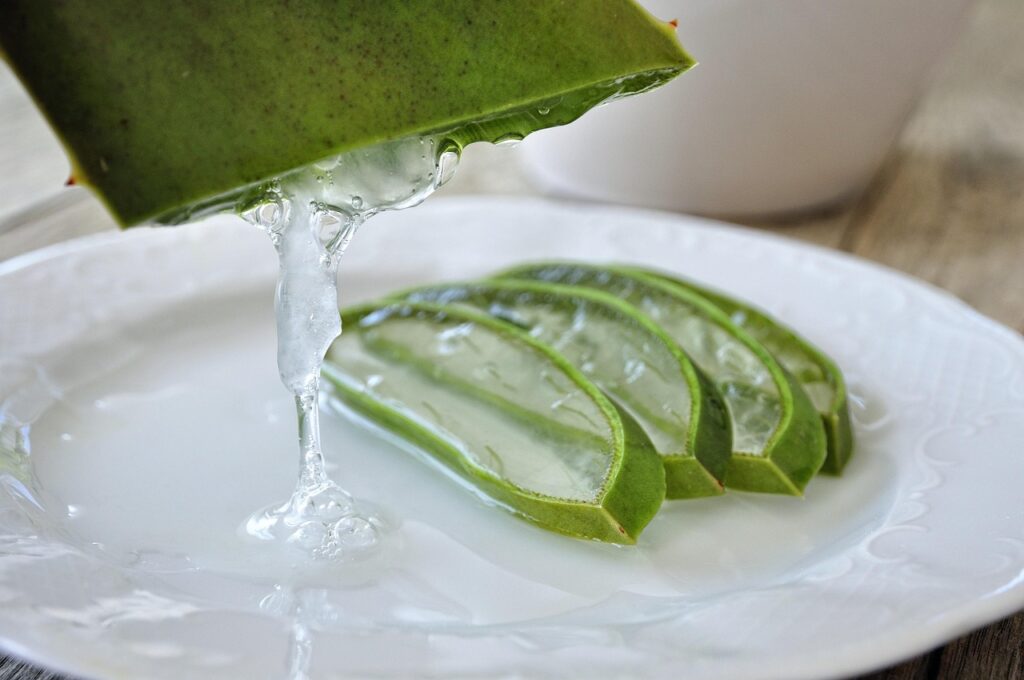
Why it’s useful:
Aloe vera gel is one of the best natural remedies for dandruff thanks to its antifungal and antibacterial properties. It helps fight the yeast-like fungus (Malassezia) that often triggers flakes, while its cooling and soothing effect calms itchy, inflamed scalp. Rich in vitamins, enzymes, and amino acids, aloe vera also deeply hydrates the scalp, reducing dryness – one of the leading causes of dandruff.
How much to use:
For each application, you’ll need 2–3 tablespoons of fresh aloe vera gel (taken directly from the plant or store-bought pure gel). This amount is enough to cover the scalp evenly without making your hair greasy.
How to apply it:
- Part your hair into sections so the scalp is exposed.
- Apply the aloe vera gel directly to your scalp using your fingertips or a clean brush.
- Massage gently in circular motions for 3–5 minutes to improve absorption and boost circulation.
- Leave it on for 30–40 minutes as a scalp treatment.
- Rinse with a mild shampoo. For best results, repeat this 2–3 times per week.
Tip: For an extra boost, you can mix aloe vera gel with a few drops of tea tree oil or coconut oil to enhance its antifungal and moisturizing effects.
7. Lemon Juice Rinse – Natural Solution for Dandruff Flakes
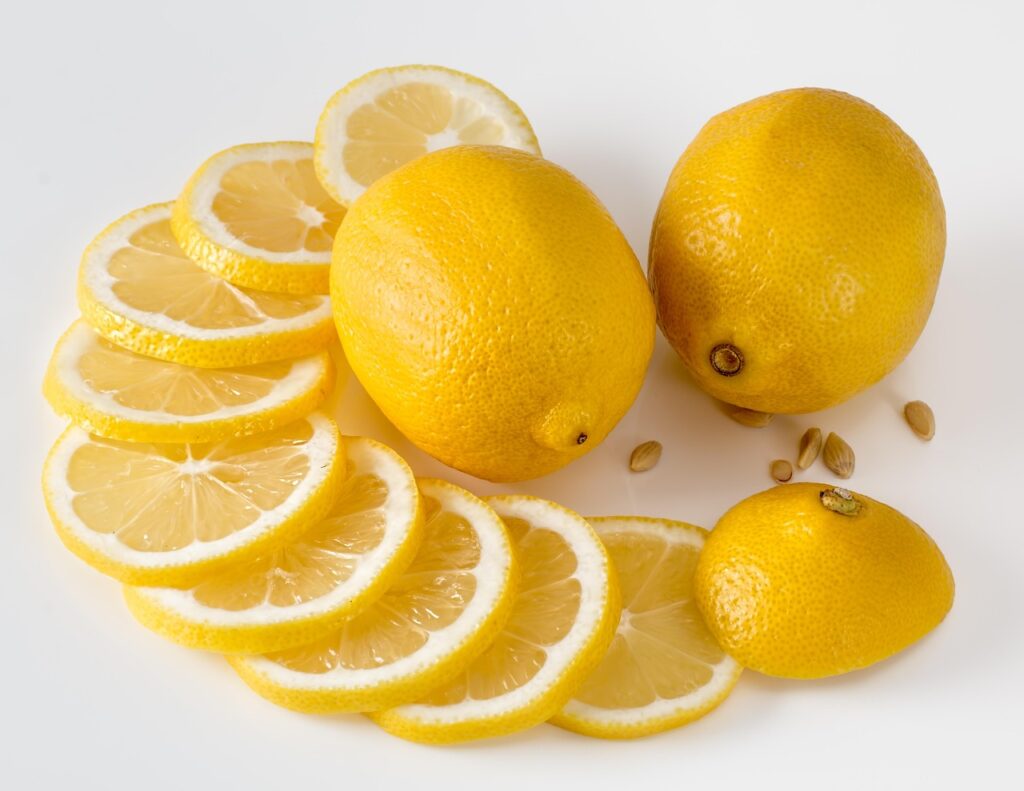
Why it’s useful:
If you’ve noticed white flakes along with an oily or itchy scalp, lemon might be one of the best dandruff natural remedies for you.. Its natural citric acid works like a gentle exfoliant, breaking down excess oil, dead skin cells, and product buildup that contribute to dandruff. At the same time, lemon’s antifungal properties help reduce the growth of dandruff-causing microbes, leaving your scalp balanced and refreshed.
How much to use:
Use the juice of ½ to 1 fresh lemon per treatment. This amount is enough to massage into your scalp without being overly harsh. If your scalp is sensitive, dilute the lemon juice with 2–3 tablespoons of water or mix it with a natural moisturizer like coconut oil or aloe vera gel.
How to apply it:
- Squeeze the juice from half a lemon into a small bowl.
- Apply it directly to the scalp using your fingertips or a cotton ball.
- Massage gently in circular motions for 2–3 minutes.
- Leave it on for 10–15 minutes only (lemon is strong and can cause dryness if left longer).
- Rinse thoroughly with lukewarm water, then wash with a mild shampoo.
- Repeat 1–2 times per week until flakes are reduced.
Other hair benefits of lemon:
- Controls excess oil – keeps a greasy scalp in check and prevents buildup.
- Adds shine – natural citric acid smooths the hair cuticle, making hair look glossier.
- Strengthens roots – rich in Vitamin C, which promotes collagen production and supports stronger hair follicles.
- Fights scalp odor – antibacterial properties help keep the scalp fresh.
Tip: Avoid going out in direct sunlight with lemon juice on your hair, as it can cause unwanted lightening and dryness.
8. Rosemary Oil Scalp Treatment for Dandruff Relief
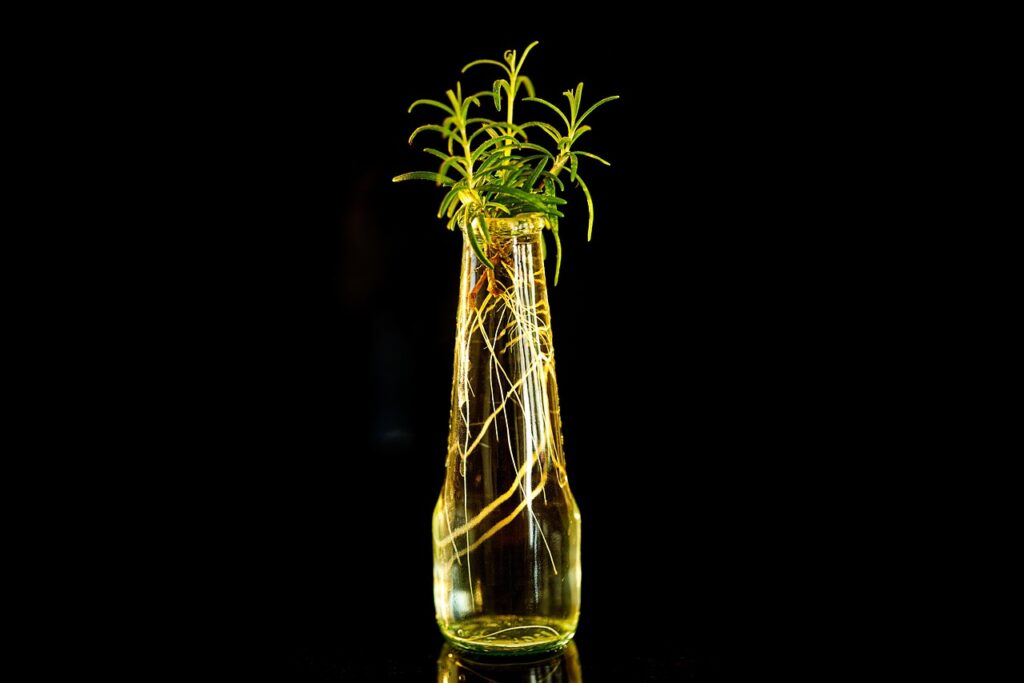
How it helps:
For centuries, rosemary oil has been valued as a natural scalp tonic. Unlike many quick fixes, it works by strengthening the scalp environment—reducing excess oil, loosening stubborn flakes, and improving circulation so nutrients reach the roots more effectively. Its natural antifungal properties also make it effective against dandruff-causing microbes, helping to keep the scalp clean and balanced.
How much to use:
Since rosemary oil is very concentrated, always dilute 4–5 drops of rosemary essential oil in 2 tablespoons of a carrier oil such as coconut oil, olive oil, or jojoba oil before applying.
How to apply it:
- Mix 4–5 drops of rosemary essential oil with your chosen carrier oil.
- Massage the mixture gently into your scalp for 5–7 minutes to boost circulation and absorption.
- Leave it on for at least 30 minutes, or for a deeper treatment, overnight with a shower cap.
- Rinse off with a mild shampoo.
- Repeat 2 times per week for best results.
Other hair benefits of rosemary oil:
- Stimulates hair growth – promotes stronger, thicker strands by encouraging blood flow to the roots.
- Reduces hair thinning – known to help slow down premature hair loss.
- Adds shine and softness – conditions the scalp and hair naturally.
- Soothes an itchy scalp – calms irritation and reduces inflammation.
- May help darken hair naturally – regular use can enhance natural hair pigment and slow graying.
Tip: For an extra boost against dandruff, you can mix rosemary oil with tea tree oil (another powerful antifungal) when diluting it in a carrier oil.
9. Baking Soda Scrub
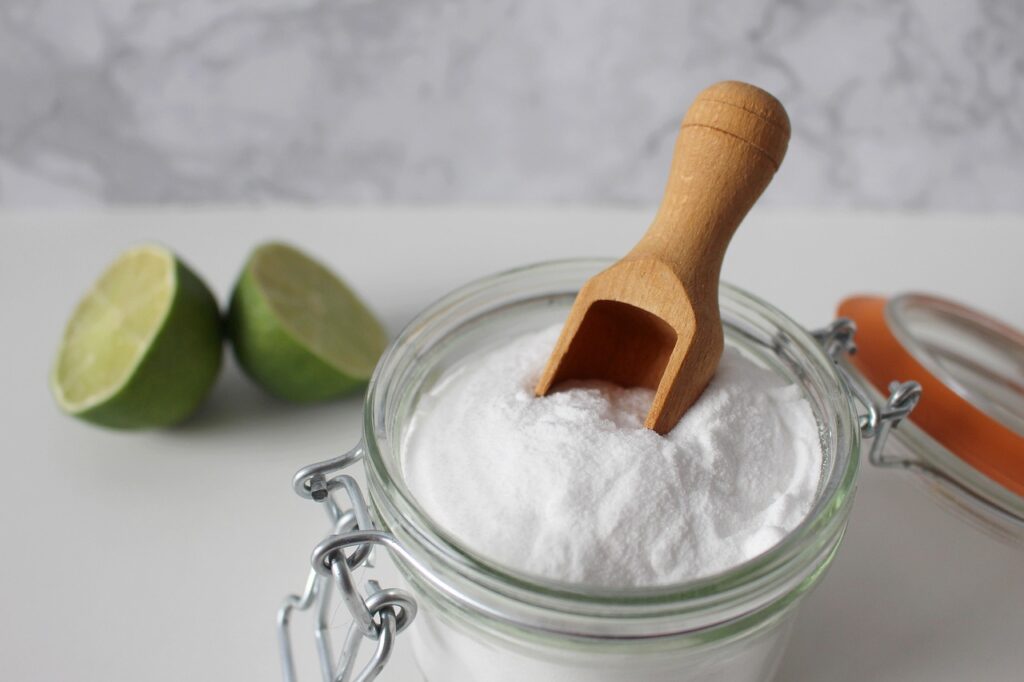
Why is it better than the other dandruff natural remedies?
Baking soda works as a gentle yet powerful natural exfoliant for the scalp. It helps remove dead skin cells, product buildup, and excess oil that often lead to dandruff. Unlike harsh chemical shampoos, baking soda balances scalp pH and reduces fungal activity without stripping the hair completely of its natural oils. The result is a cleaner, fresher scalp that’s less prone to flaking and itchiness.
How much to use:
You’ll need about 1–2 tablespoons of baking soda per application. This amount is enough to scrub the scalp lightly without over-drying it.
How to apply it:
- Wet your hair and scalp with lukewarm water.
- Take 1–2 tablespoons of baking soda and mix it with a small amount of water to form a paste.
- Apply the paste directly to your scalp and massage gently for 2–3 minutes in circular motions.
- Rinse thoroughly with water (you can skip shampooing afterward to let the baking soda’s balancing effect work).
- Use this remedy once a week only, as frequent use may dry out the scalp.
Tip: If your scalp feels a little dry afterward, follow up with a light natural oil like coconut or olive oil to restore moisture.
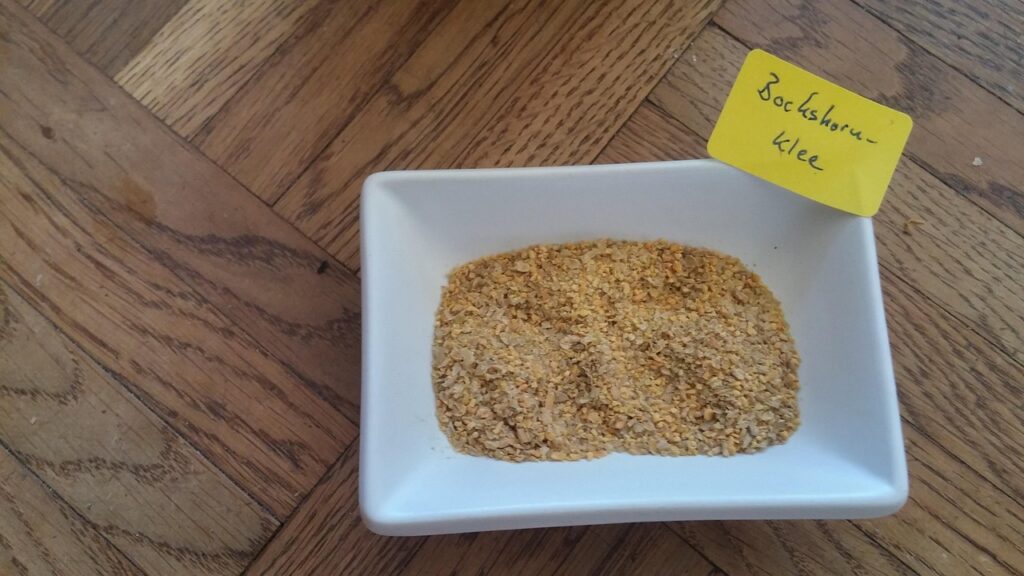
10. Fenugreek Seeds Mask for Dandruff: An Effective Home Remedy
Why it’s useful:
Fenugreek seeds (also called methi) are packed with antifungal compounds, protein, and nicotinic acid, which help fight dandruff, soothe scalp irritation, and strengthen hair follicles. They also reduce excess oil production while deeply nourishing the scalp, making them a time-tested Ayurvedic remedy for dandruff.
How much to use:
Use 2–3 tablespoons of fenugreek seeds, soaked overnight.
How to apply it:
- Soak 2–3 tablespoons of fenugreek seeds in water overnight.
- In the morning, grind them into a smooth paste.
- Apply the paste directly to your scalp, focusing on flaky areas.
- Leave it on for 30–40 minutes.
- Rinse thoroughly with lukewarm water and a mild shampoo.
- Repeat once a week for best results.
Other hair benefits:
- Strengthens roots and reduces hair fall.
- Promotes natural shine and softness.
- Helps control scalp oiliness.
- It can even aid in slowing down premature graying.
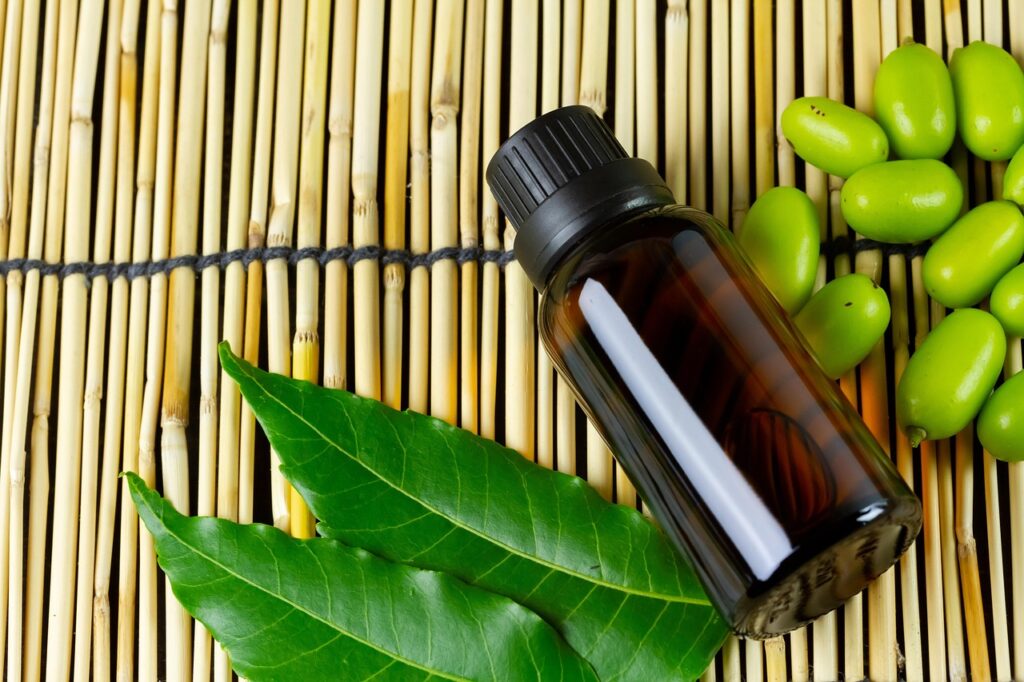
11. Neem Leaves Rinse to Treat Dandruff Naturally
Why it’s useful:
Compared to the other dandruff natural remedies, Neem (Indian lilac) has been used in Ayurveda for centuries as a natural cure. Its potent antifungal, antibacterial, and anti-inflammatory properties target the root cause of flakes by killing dandruff-causing microbes and soothing scalp irritation. It’s especially effective for itchy, inflamed scalps.
How much to use:
Take about a handful (10–15 fresh neem leaves) or 2 tablespoons of dried neem powder for one rinse.
How to apply it:
- Boil the neem leaves in 2 cups of water for about 10 minutes.
- Strain the liquid and let it cool.
- Use this neem water as a final rinse after shampooing your hair.
- Repeat 2 times per week for noticeable results.
Other hair benefits:
- Strengthens hair roots and reduces hair fall.
- Helps control scalp acne and boils.
- Improves overall scalp health and prevents infections.
- Adds natural shine and thickness to the hair.
Neem is strong, so if you use it as a paste instead of a rinse, keep it on for only 20 minutes to avoid scalp dryness.
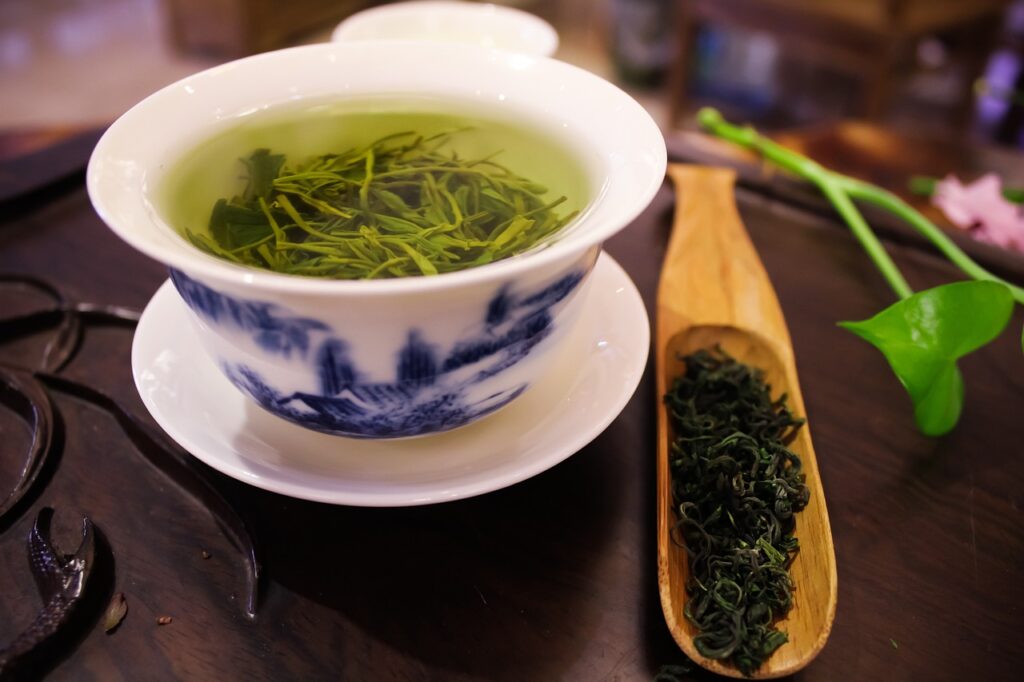
12. Green Tea Rinse for Dandruff: Simple Yet Effective Treatment
Why it’s useful:
Green tea isn’t just healthy for your body — it’s also great for your scalp. It’s packed with antioxidants, catechins, and antifungal compounds that reduce scalp irritation, fight dandruff-causing microbes, and calm itching. The natural polyphenols also improve circulation in the scalp, which helps keep it balanced and flake-free.
How much to use:
Brew 1–2 green tea bags (or 2 teaspoons of loose green tea) in 2 cups of hot water.
How to apply it:
- Brew the tea and let it cool down to room temperature.
- Pour the green tea rinse directly over your scalp and hair after shampooing.
- Massage gently into the scalp for 3–5 minutes.
- Leave it on for 15–20 minutes, then rinse with plain water.
- Repeat 2 times per week for best results.
Other hair benefits:
- Strengthens roots and reduces hair fall.
- Adds shine and smoothness to dull hair.
- Helps control excess oil production.
- It may even slow premature graying due to its antioxidant content.
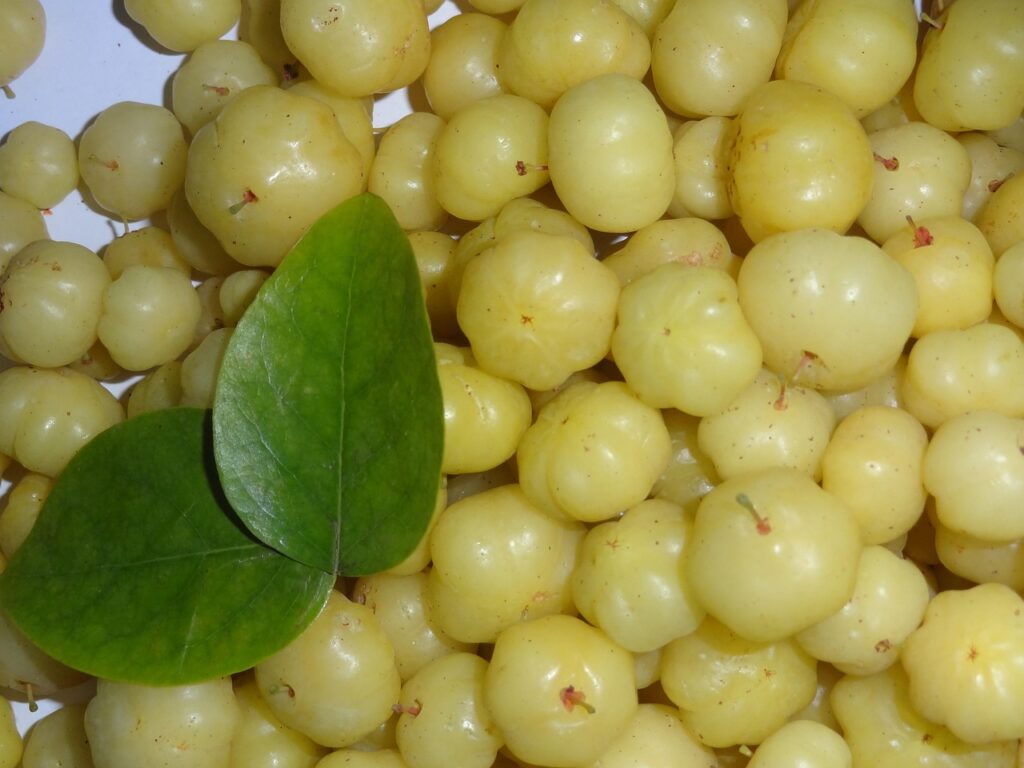
13. Amla ( Indian Gooseberry ) Paste
Why it’s useful:
Amla, also known as Indian gooseberry, is rich in Vitamin C and antioxidants that detoxify the scalp and strengthen hair follicles. Its antimicrobial properties help fight dandruff while reducing scalp inflammation and itchiness. Amla also promotes a healthier scalp environment, which keeps flakes from coming back.
How much to use:
Use 2–3 tablespoons of amla powder (or freshly blended amla fruit) mixed with water or yogurt to form a paste.
How to apply it:
- Mix amla powder with enough water or yogurt to create a smooth paste.
- Apply the paste evenly to your scalp, focusing on problem areas.
- Leave it on for 25–30 minutes.
- Rinse thoroughly with lukewarm water and a mild shampoo.
- Use this remedy once a week for best results.
Other hair benefits:
- Strengthens roots and prevents hair thinning.
- Delays premature graying of hair.
- Adds natural shine and softness.
- Encourages faster and healthier hair growth.
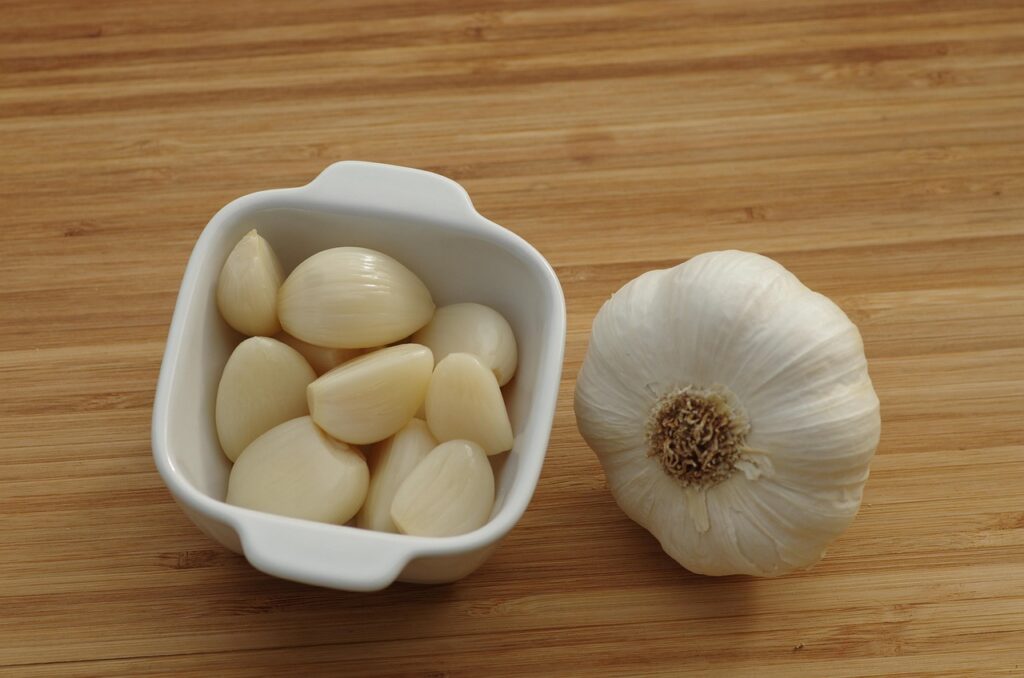
14. Garlic Paste
Why it’s useful:
Garlic may not sound glamorous, but it’s one of the most powerful natural remedies for dandruff. It contains allicin, a compound with strong antifungal and antibacterial properties that help eliminate dandruff-causing microbes. Garlic also improves blood circulation in the scalp, which supports healthier roots and reduces flaking over time.
How much to use:
Use 4–5 fresh garlic cloves for each treatment.
How to apply it:
- Crush or blend 4–5 garlic cloves into a fine paste.
- Mix the paste with 2 tablespoons of honey or coconut oil to reduce its strong smell and prevent scalp irritation.
- Apply the mixture directly to your scalp, focusing on itchy or flaky areas.
- Leave it on for 20 minutes only (garlic is very potent).
- Rinse thoroughly with a mild shampoo.
- Repeat once per week for best results.
Other hair benefits:
- Stimulates circulation and promotes new hair growth.
- Strengthens hair shafts, reducing breakage.
- Prevents scalp infections and keeps the scalp healthy.
- May help slow down excessive hair shedding.
15. Apple Cider Vinegar Rinse

Why it’s useful:
Apple cider vinegar (ACV) is one of the most popular home remedies for dandruff. Its natural acidity restores the scalp’s pH balance, which makes it harder for dandruff-causing fungus (Malassezia) to survive. It also acts as a mild exfoliant, removing dead skin and product buildup while soothing itchiness.
How much to use:
Use 2–3 tablespoons of apple cider vinegar diluted in 1 cup of water for each rinse.
How to apply it:
- Mix ACV with water in a 1:3 ratio (for sensitive scalps, dilute more).
- After shampooing, pour the mixture evenly over your scalp.
- Massage gently for 2–3 minutes.
- Leave it on for 10–15 minutes, then rinse with lukewarm water.
- Repeat 1–2 times per week for best results.
Other hair benefits:
- Adds shine and smoothness by sealing the hair cuticle.
- Reduces scalp odor with its antibacterial properties.
- Helps detangle hair naturally.
- Controls excess oil, keeping the scalp fresh and balanced.
Final Thoughts & Conclusion
Dandruff may seem like a small issue, but it can be stubborn and frustrating when flakes keep coming back. The good news is that nature provides plenty of safe, effective, and affordable solutions. Remedies like aloe vera, rosemary oil, neem, and apple cider vinegar don’t just target dandruff — they also nourish the scalp, restore balance, and leave your hair looking and feeling healthier.
The key is consistency. Try these dandruff natural remedies to see which one works best for your scalp, and give it time to show results. With regular care, you’ll not only reduce flakes but also enjoy stronger, shinier, and more resilient hair.
Remember: healthy hair starts with a healthy scalp. Give it the care it deserves, and confidence will follow.